The Jewel of Annapolis County
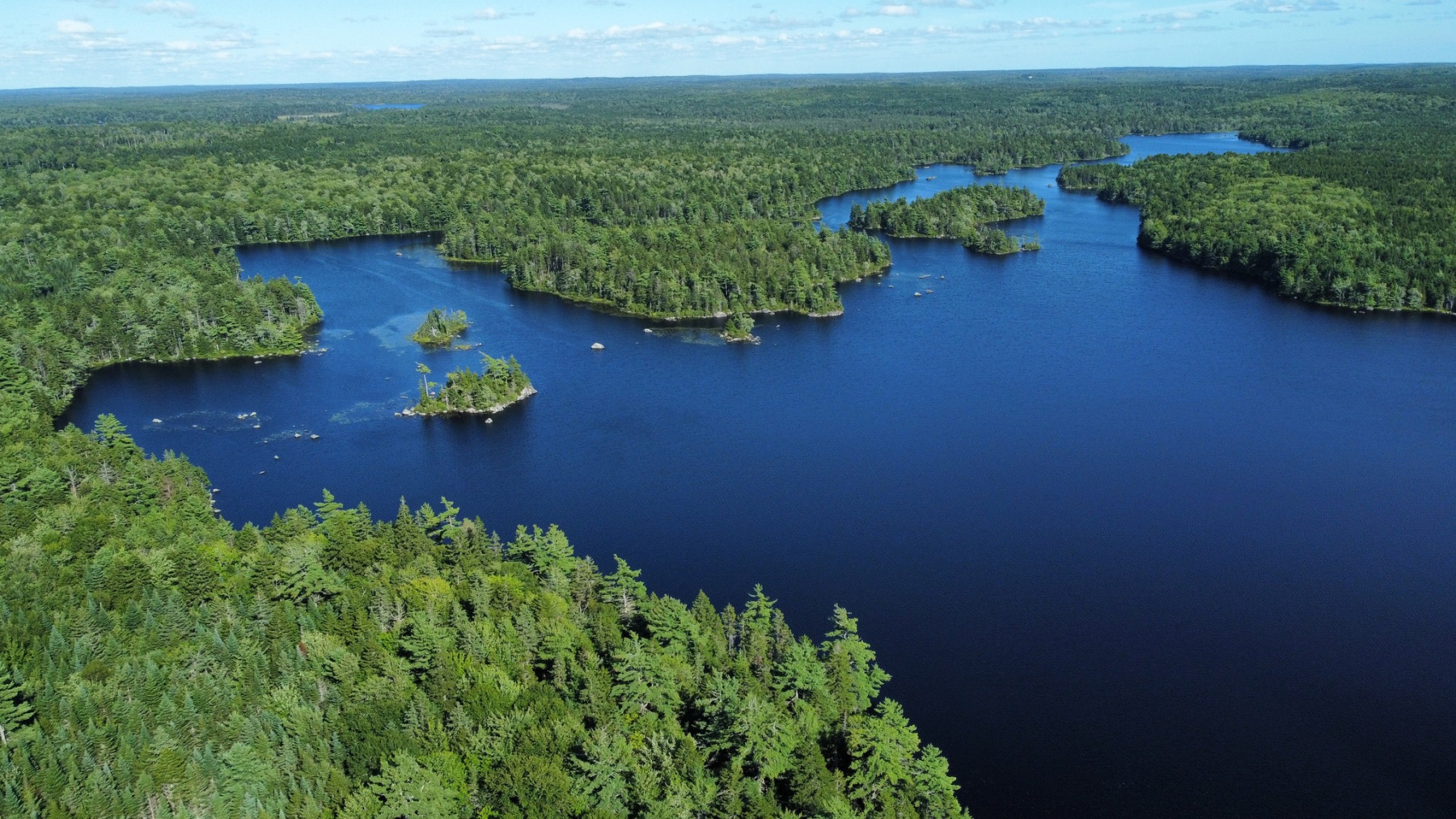
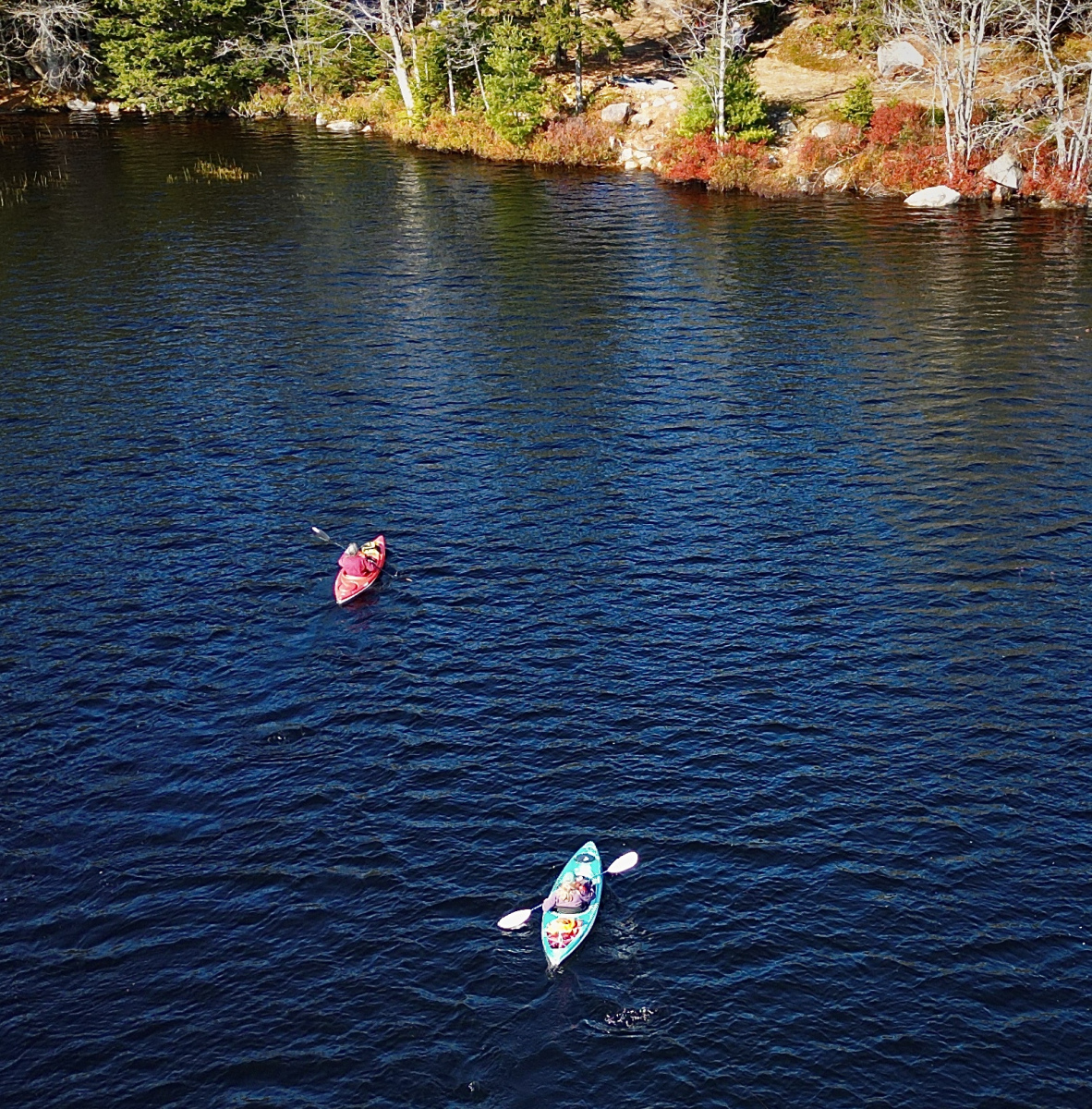
Goldsmith Lake is the largest lake in the Round Hill River watershed, a sub watershed of the Annapolis River. Unlike many of the other lakes in the area Goldsmith has not been dammed for hydroelectricity or water supply. Neither Goldsmith nor Corbett Lake to the east have been developed for summer or permanent homes, being formerly Bowater lands and now Crown.
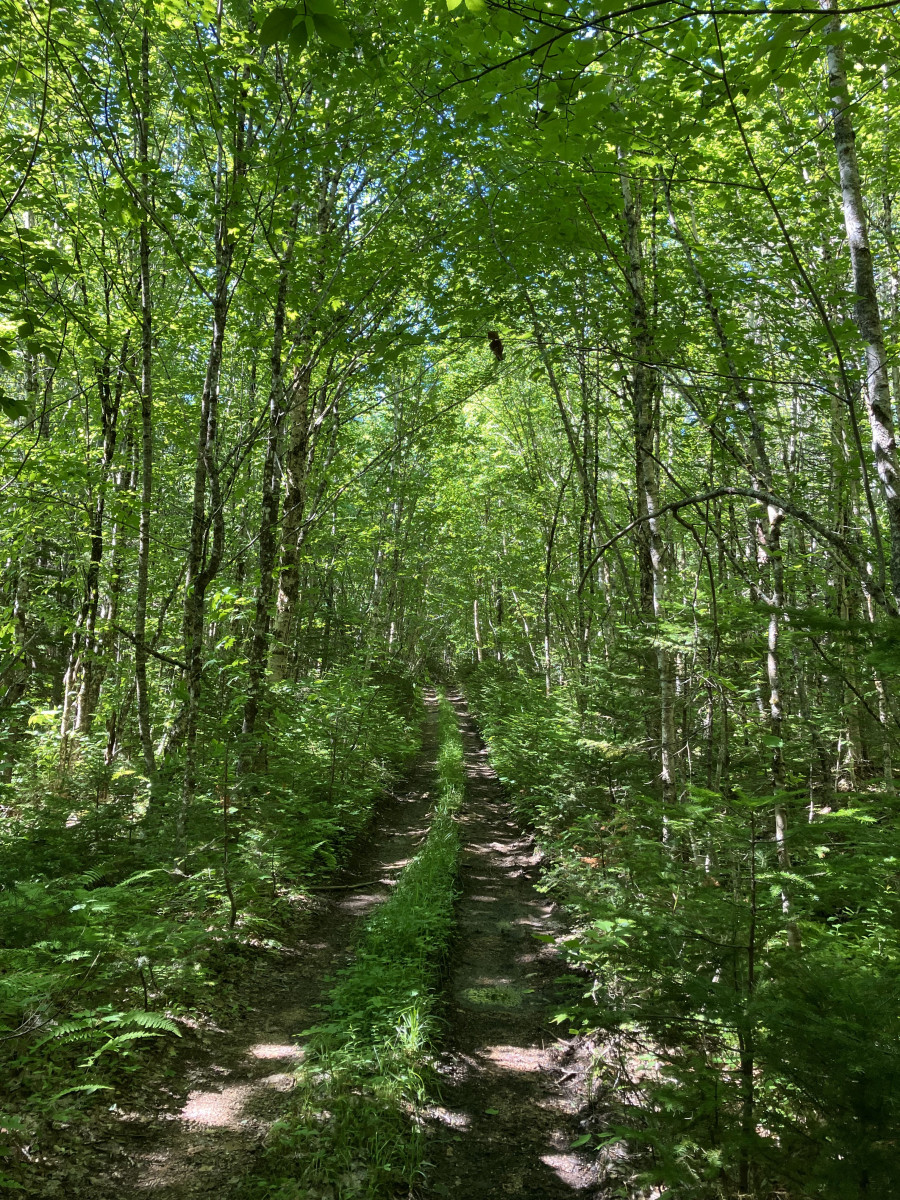
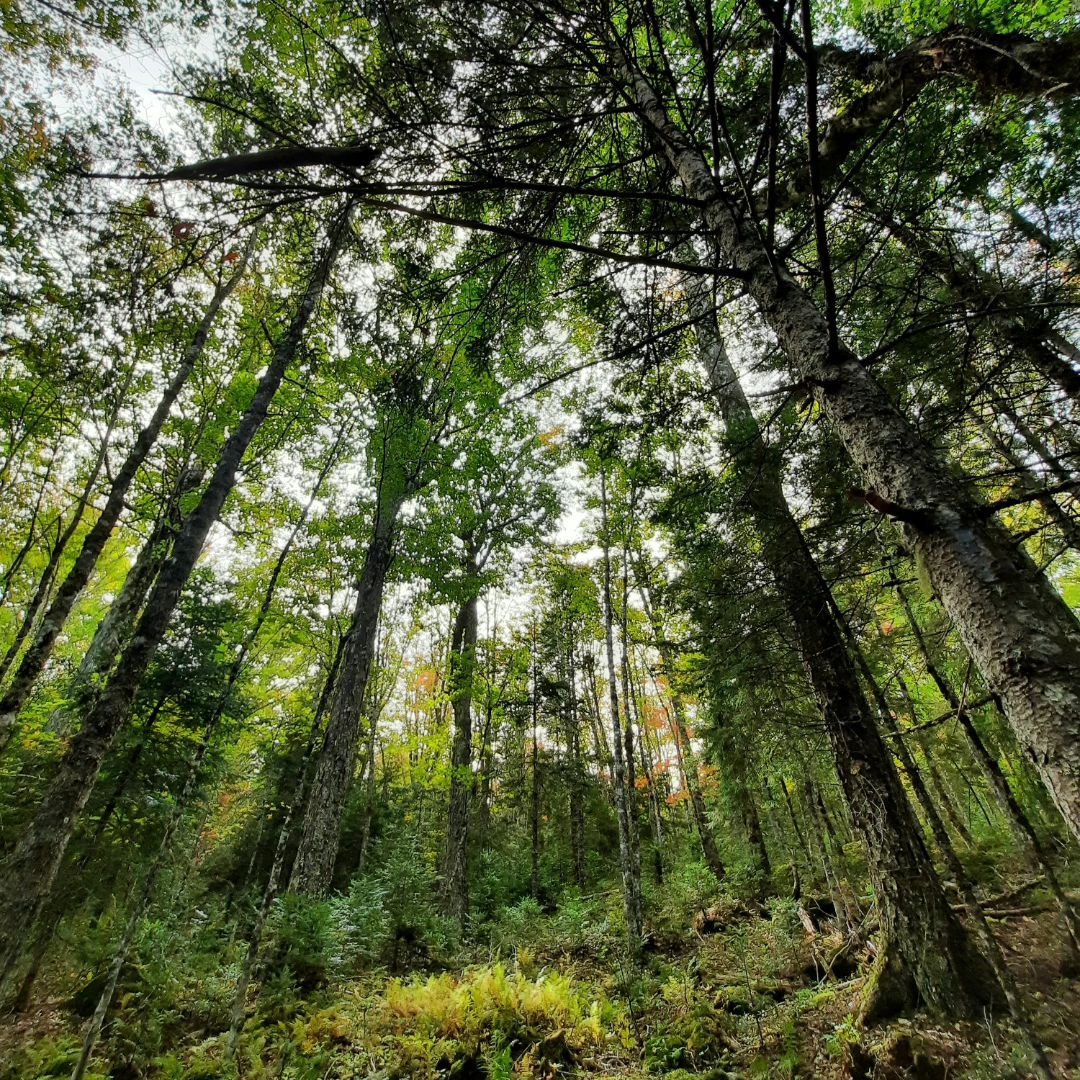
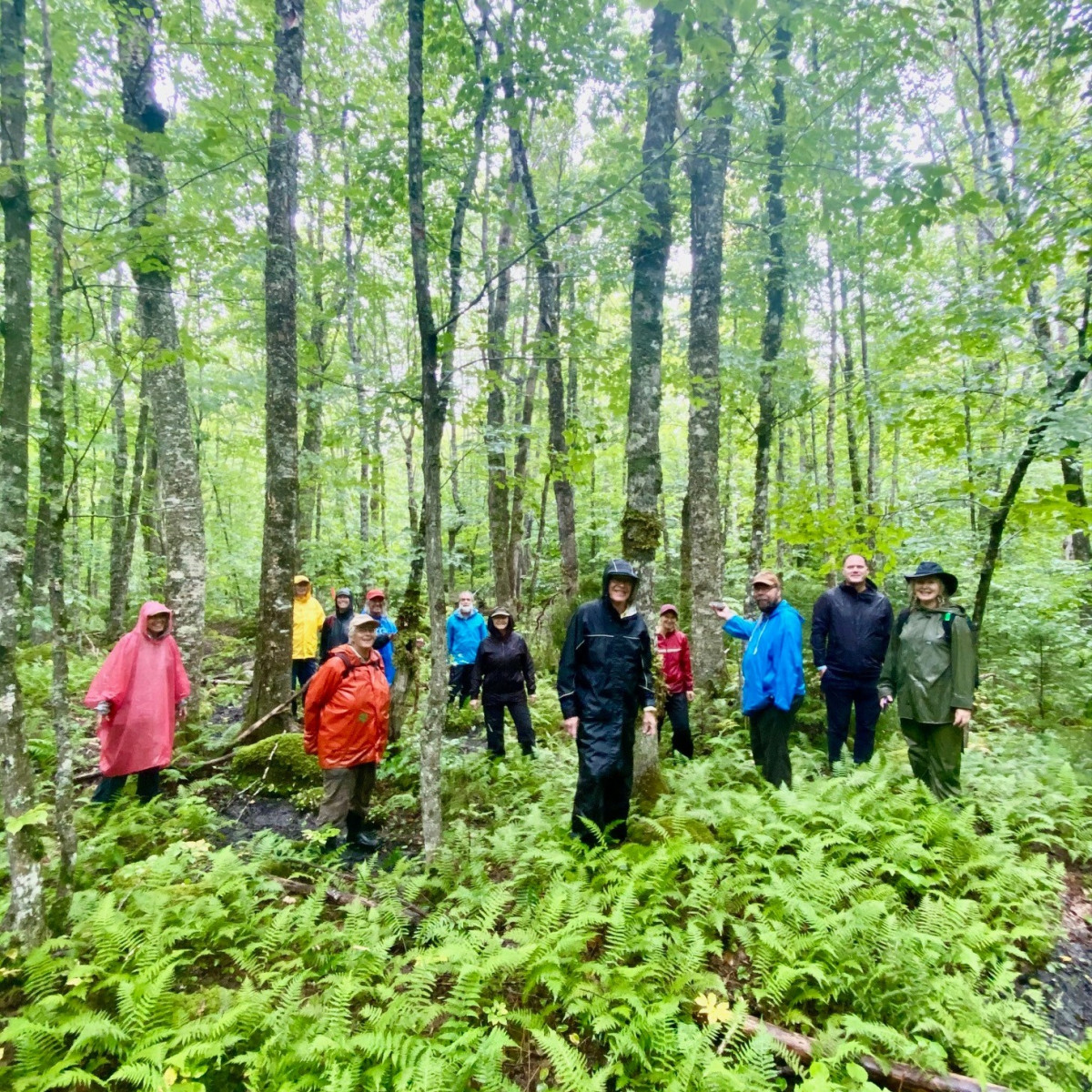
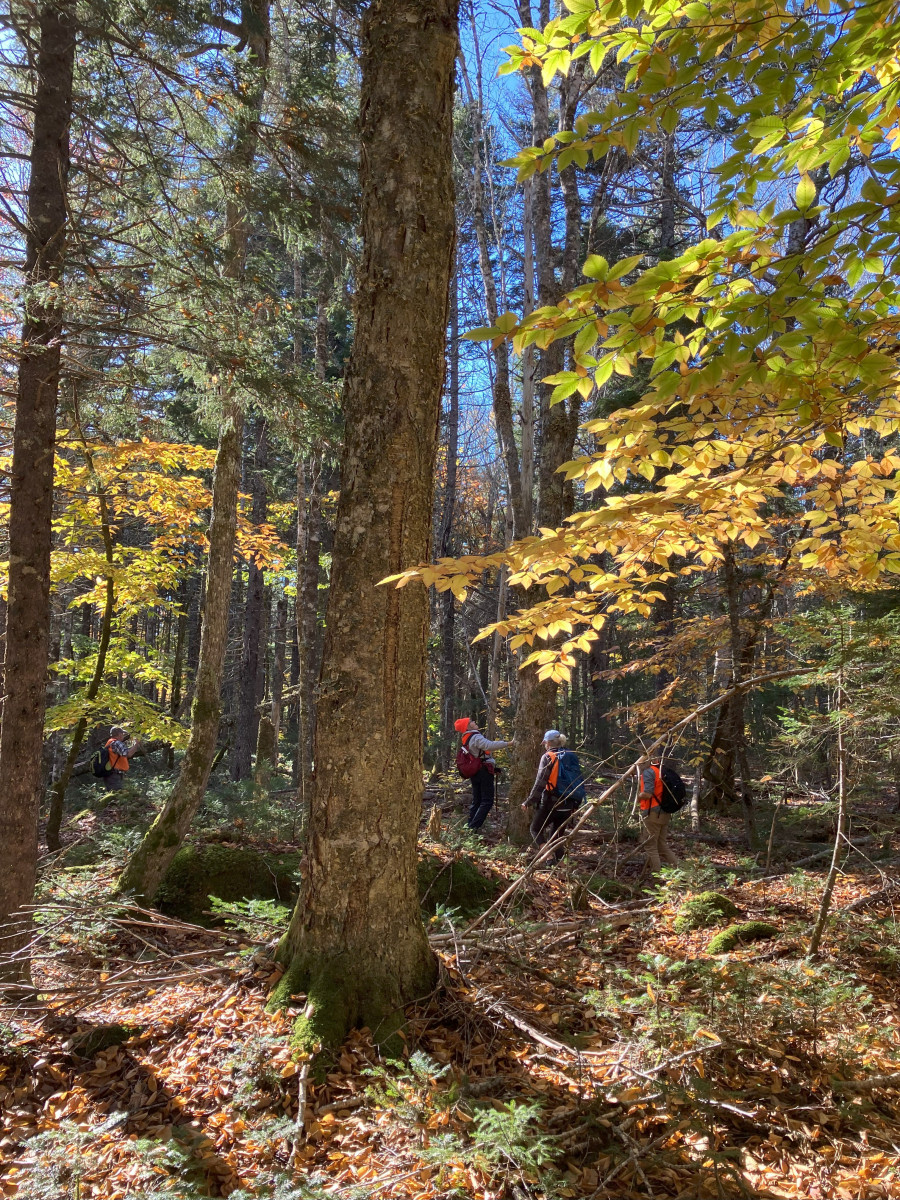
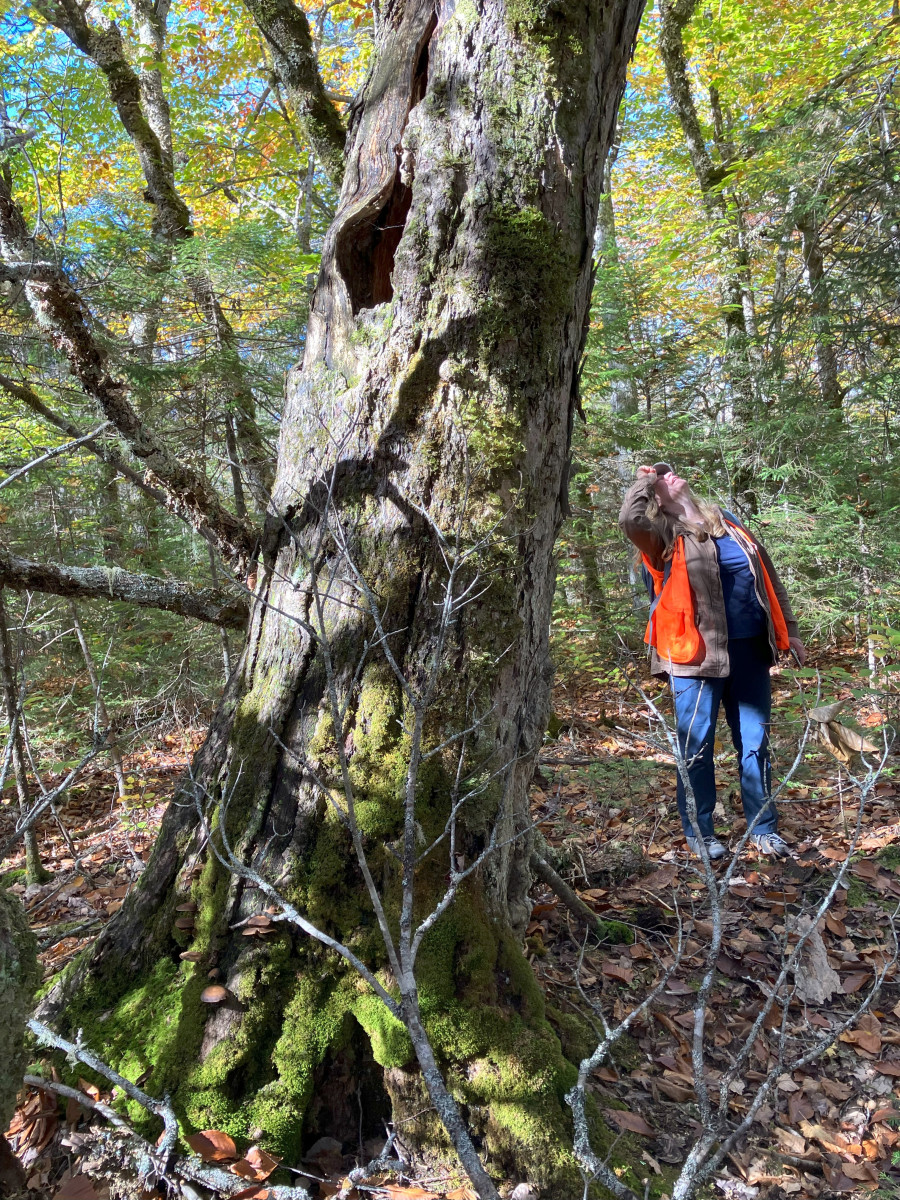
The forests surrounding these two lakes are known to biologists, ecologists and interested residents of the area as being healthy, particularly rich in biodiversity, and relatively unspoiled by roads and logging. Almost nowhere in Nova Scotia is untouched. This area is some of the very best of what we do have.
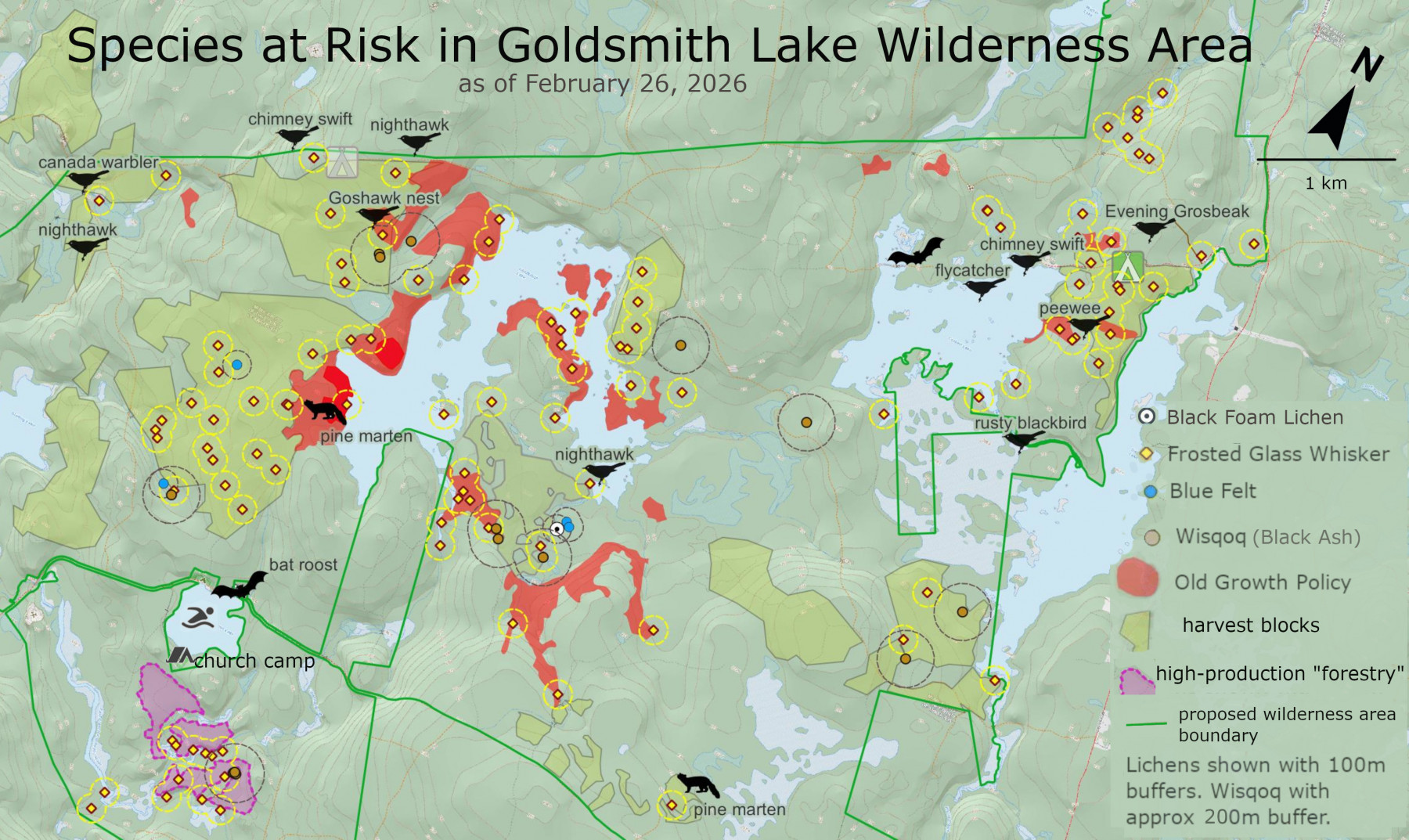
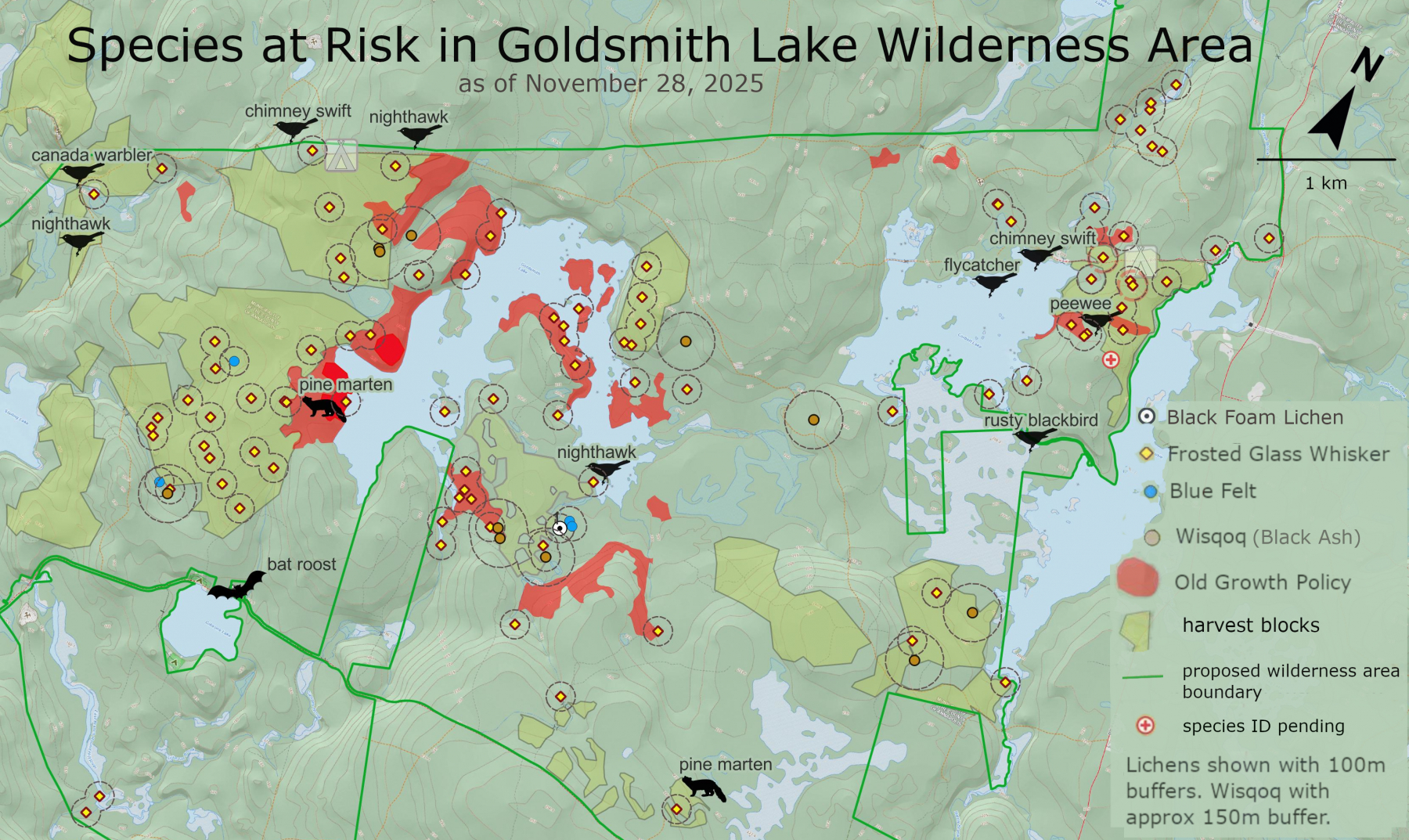
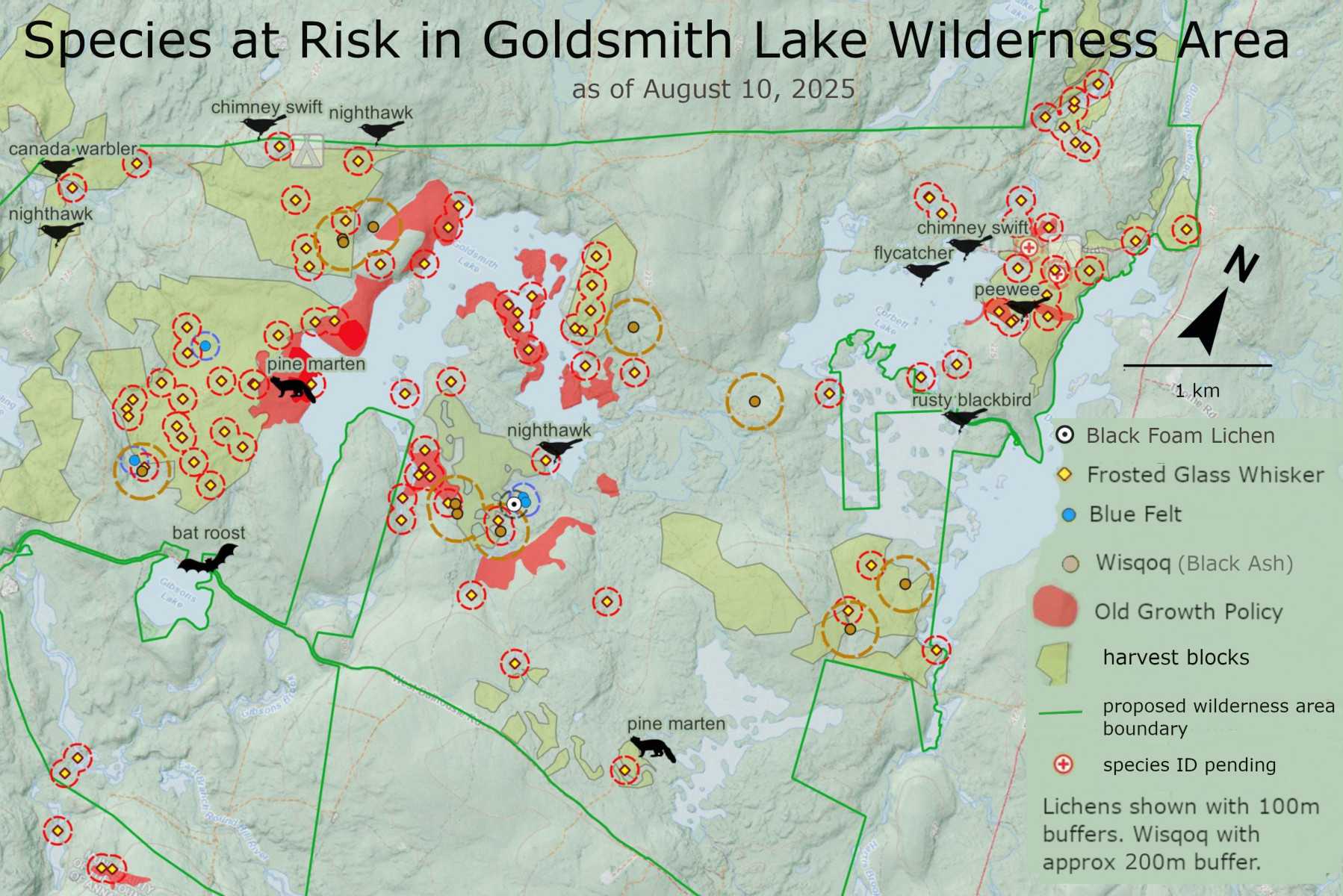
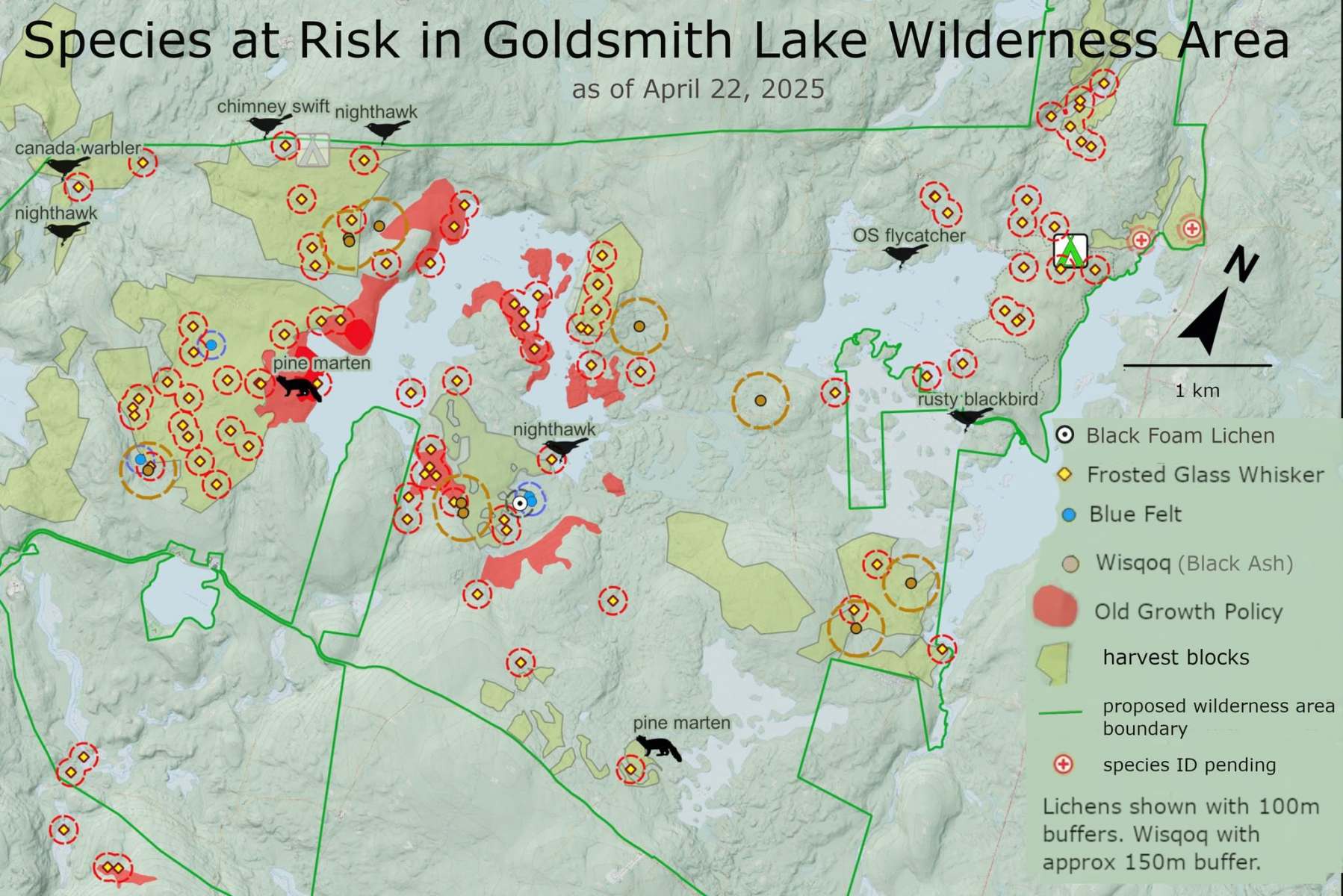
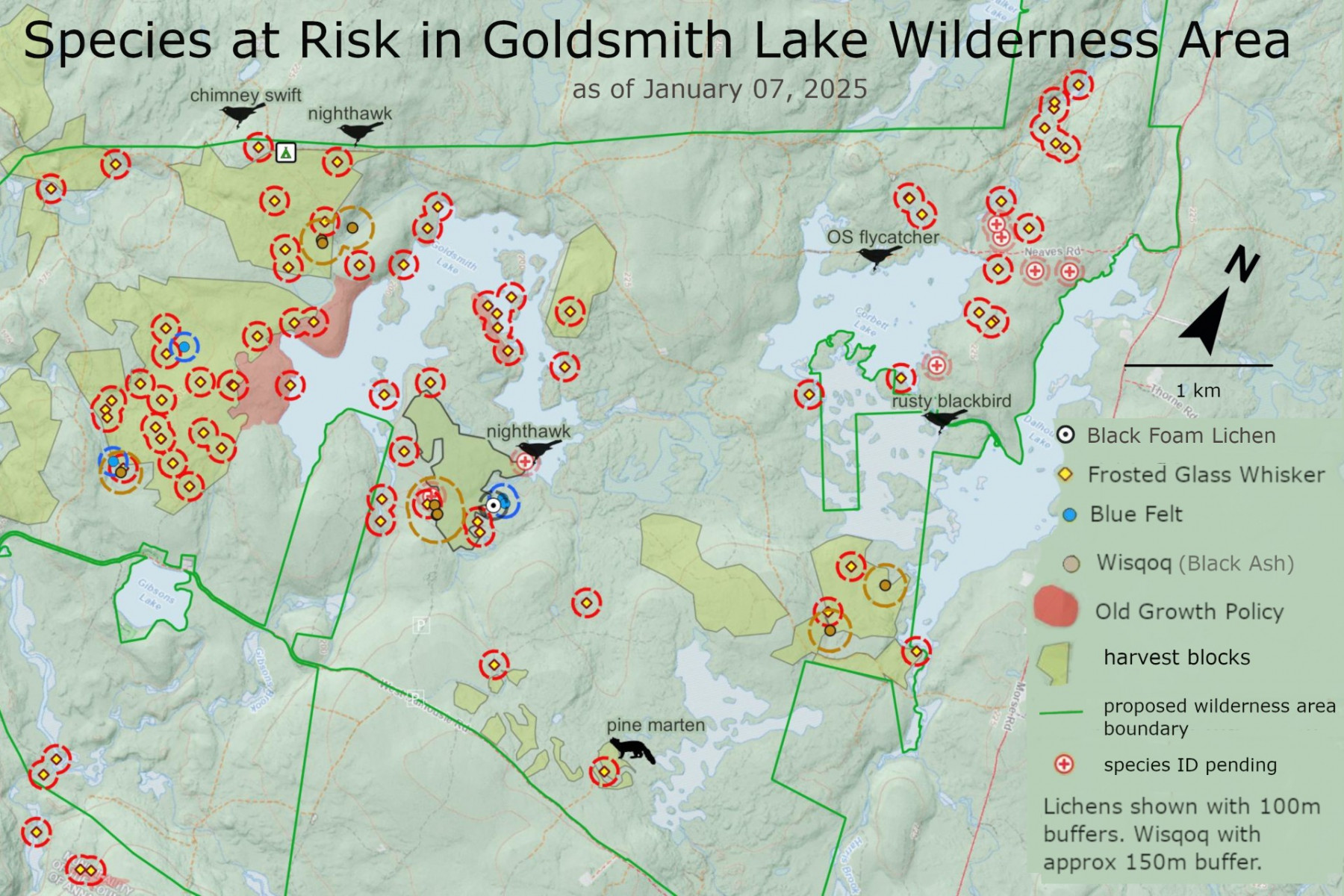
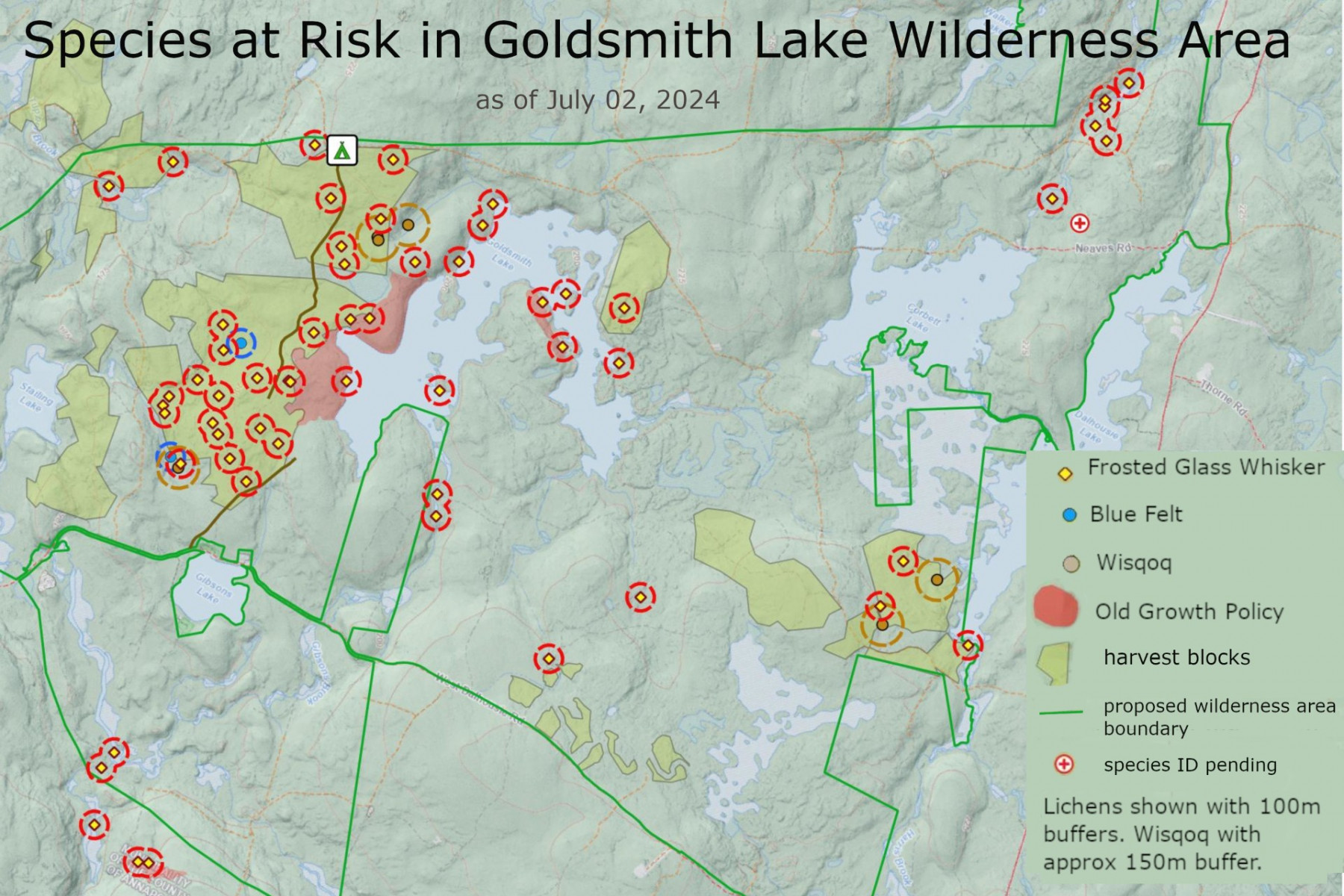
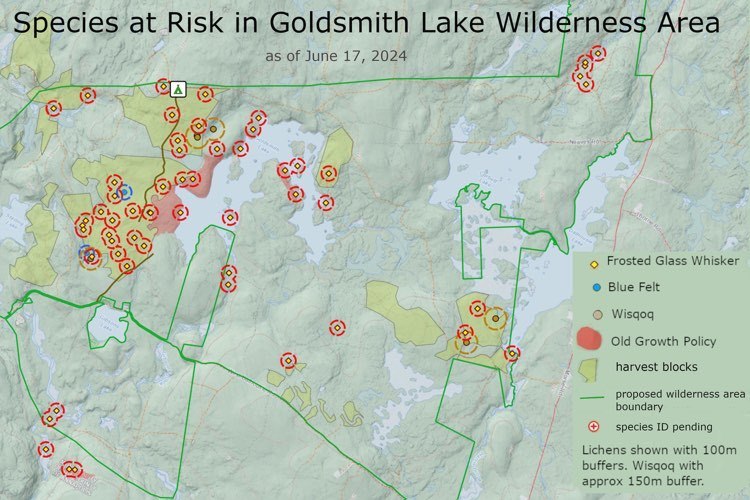
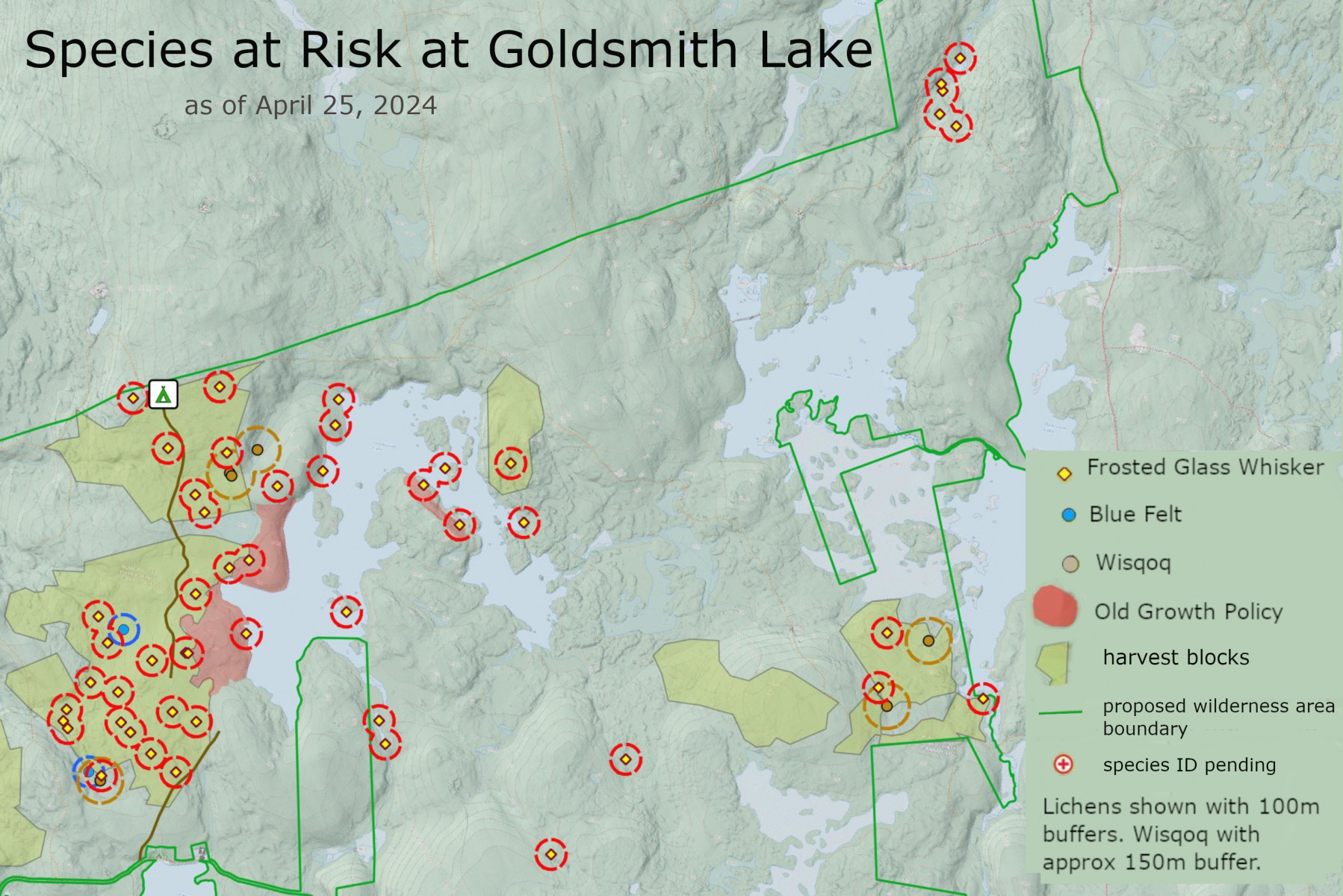
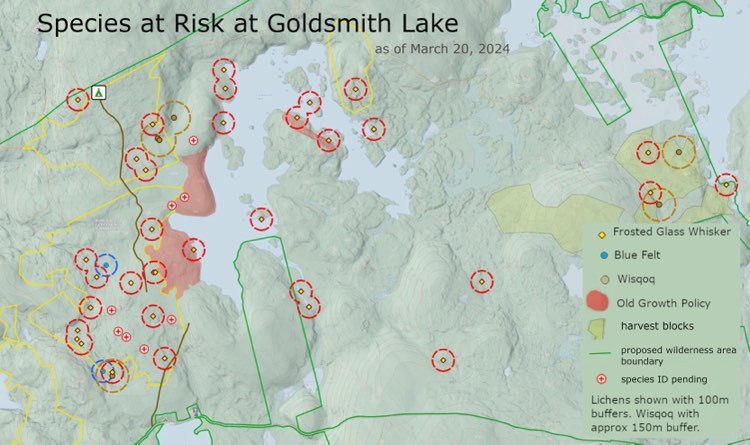
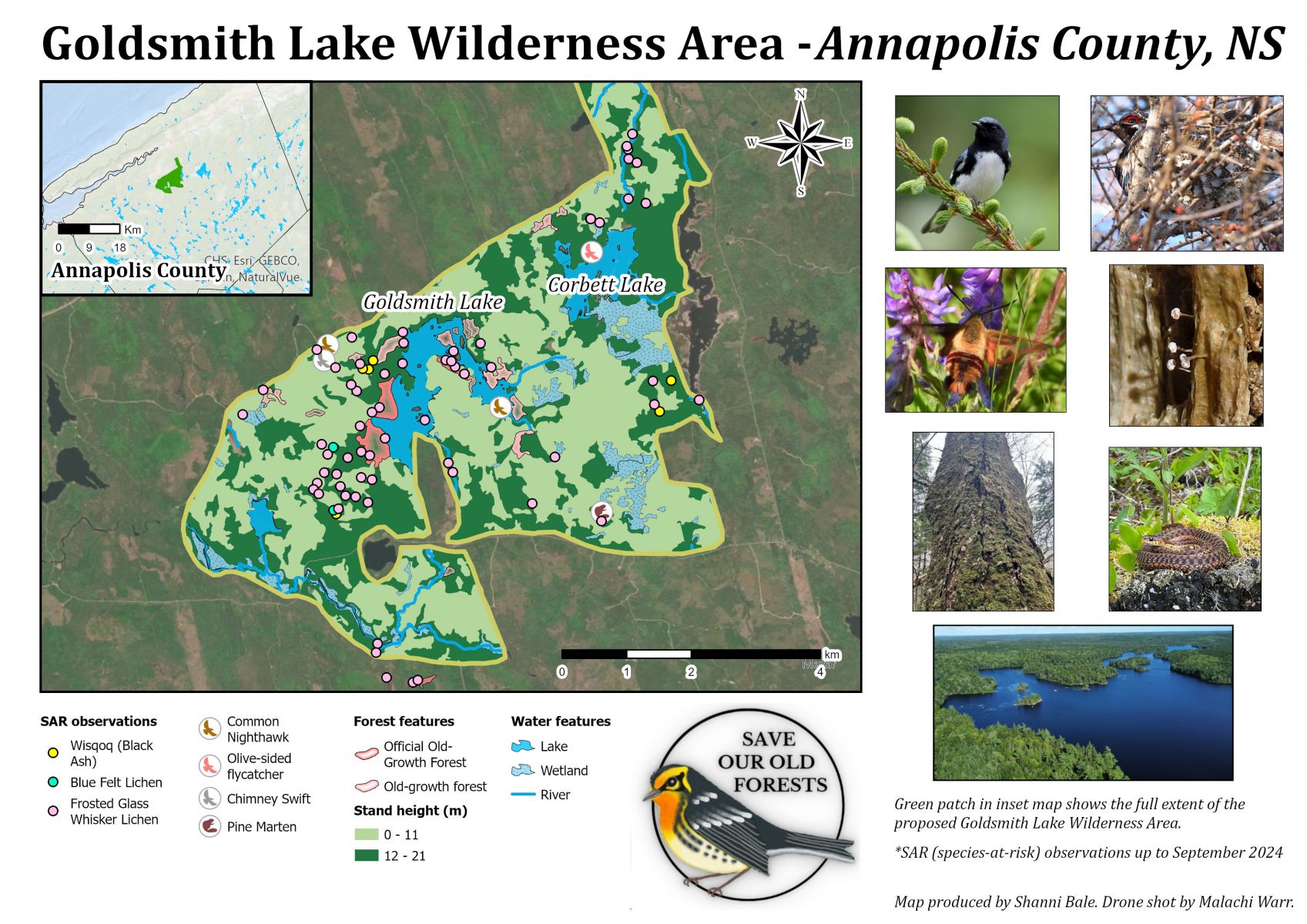
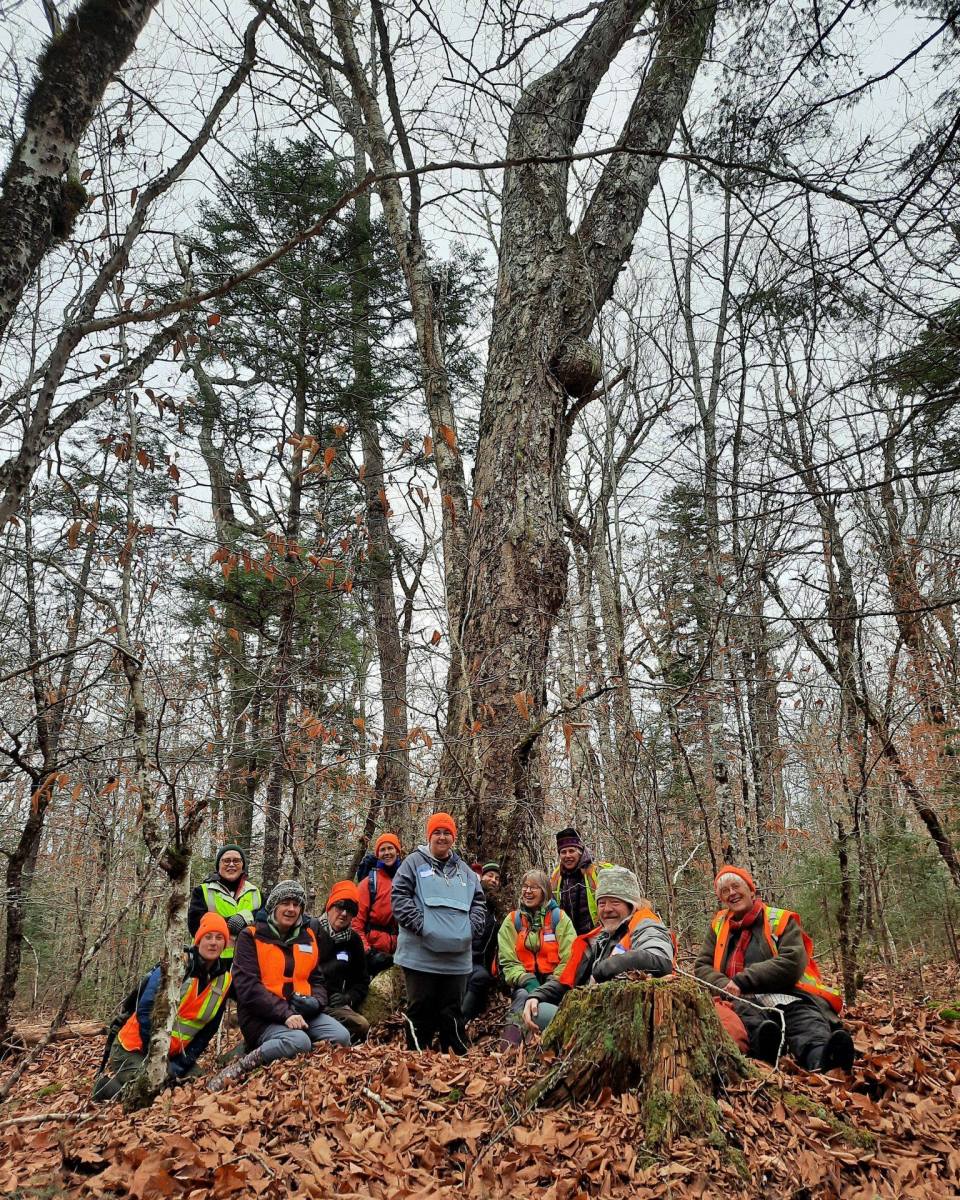
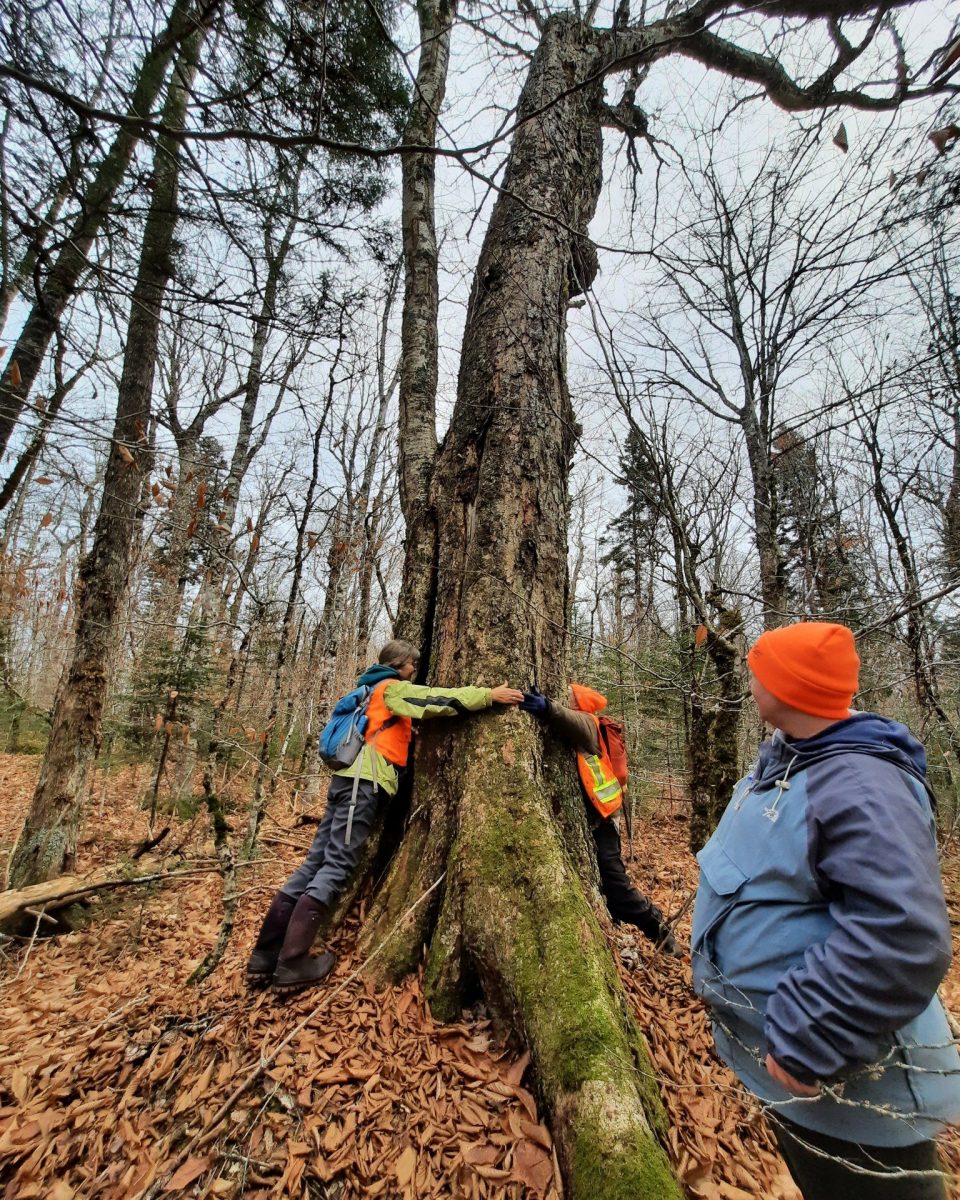
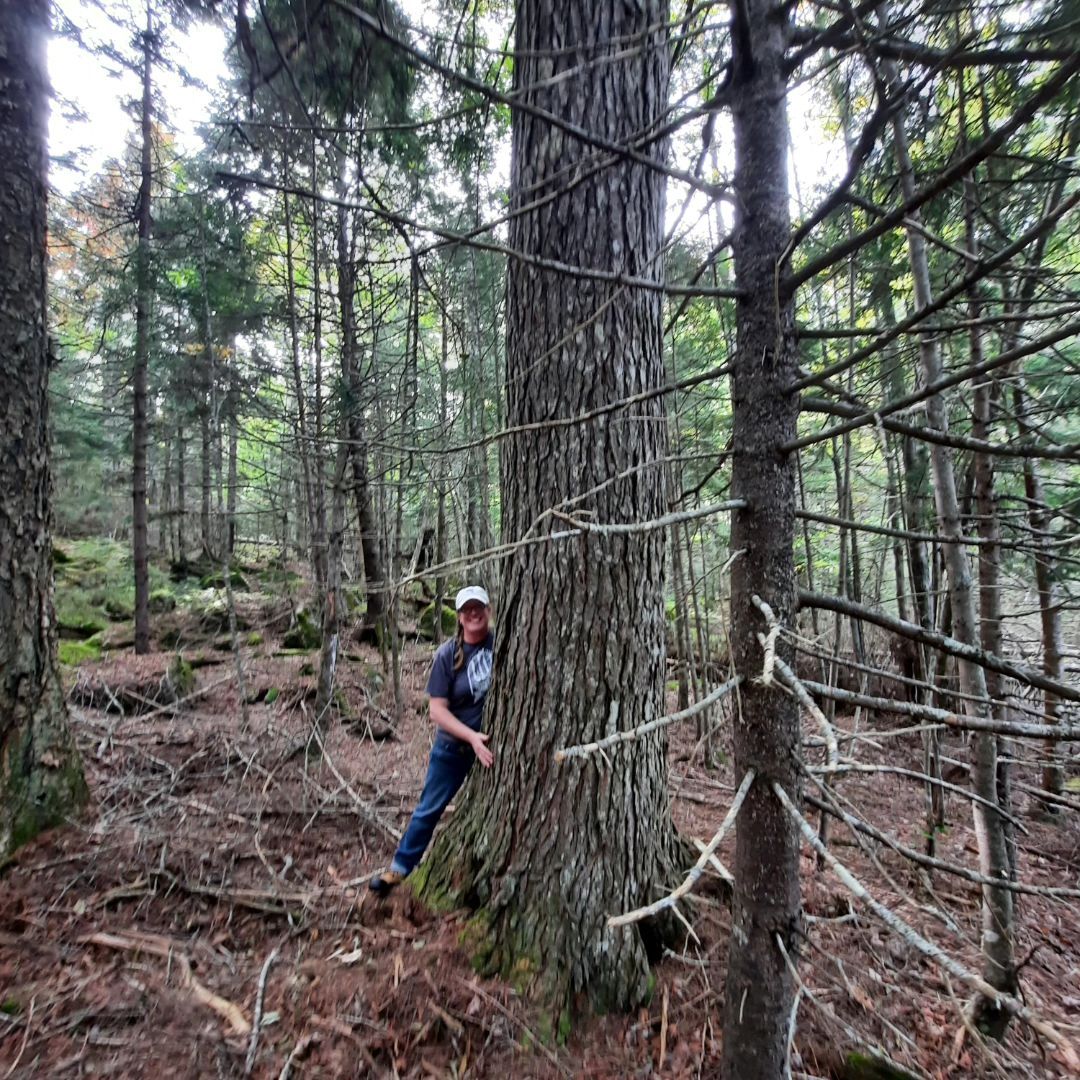
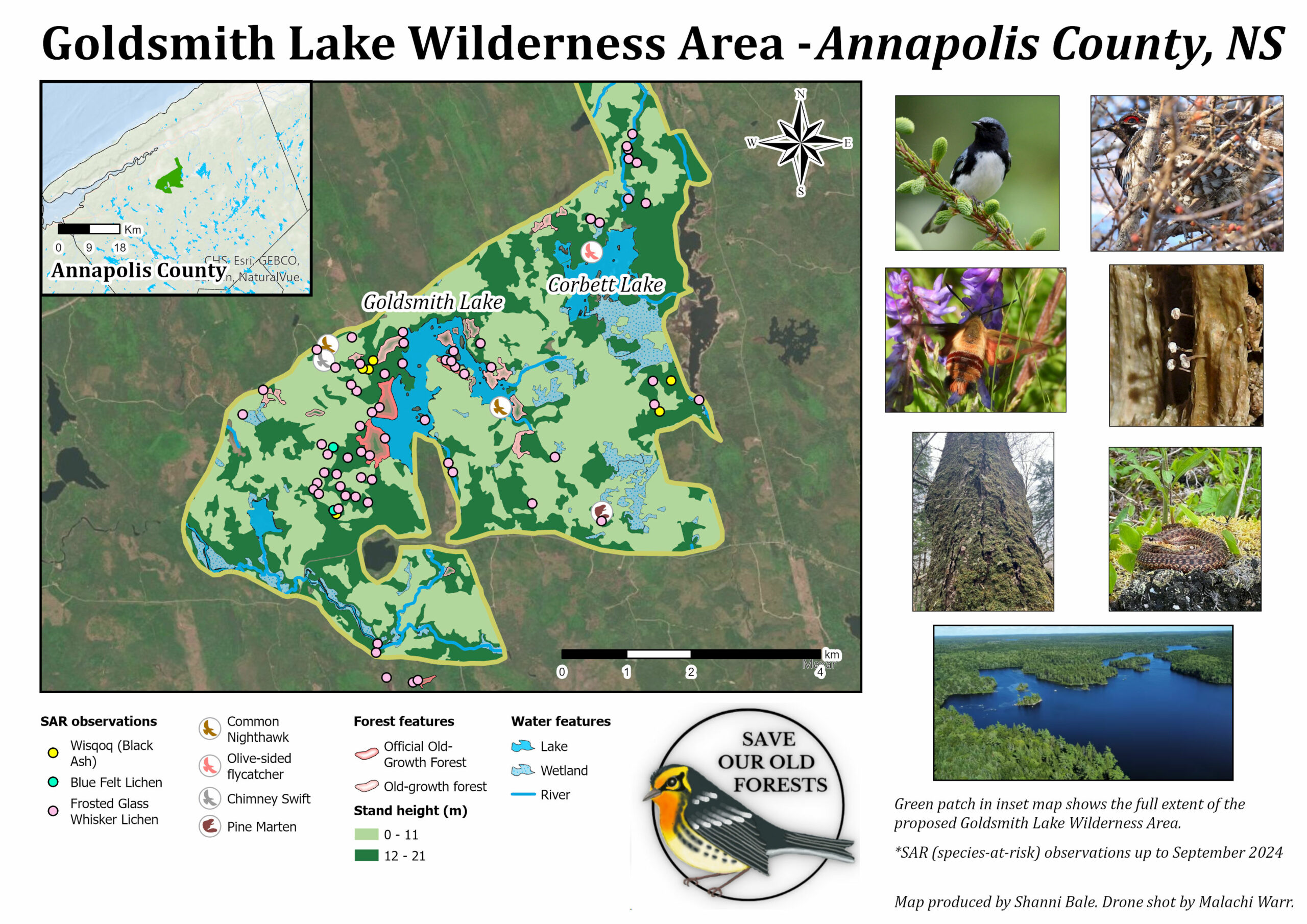
The Citizen Scientists of Southwest Nova Scotia submitted a proposal to the Protected Areas Branch (Environment and Climate Change) to protect an area of 3900 ha (39 square km) of Crown land surrounding Goldsmith Lake. The original proposal was submitted in November 2022. Since that time the number of confirmed occurrences of species at risk has risen to 123. Thirty-one stands of old growth forest are now recognized by DNR within the proposed protected area.
The proposed Goldsmith Lake Wilderness Area encompasses extensive areas of old forest in addition to recognized old-growth; two lakes; extensive wetlands; a floating bog and the headwaters of the Round Hill River where endangered Bay of Fundy Atlantic salmon have been documented. Eighty percent of the area is identified as core Mainland moose habitat. The 12 occurrences of Wisqoq or Black Ash documented to date make it probable this area will be added to the core recovery area for that endangered species.
Proposal To protect
The Citizen Scientists of Southwest Nova Scotia originally submitted a proposal to the
Minister of Environment and Climate Change in November 2022 to protect the Goldsmith Lake area in Annapolis County as part of the 20% by 2030 target.
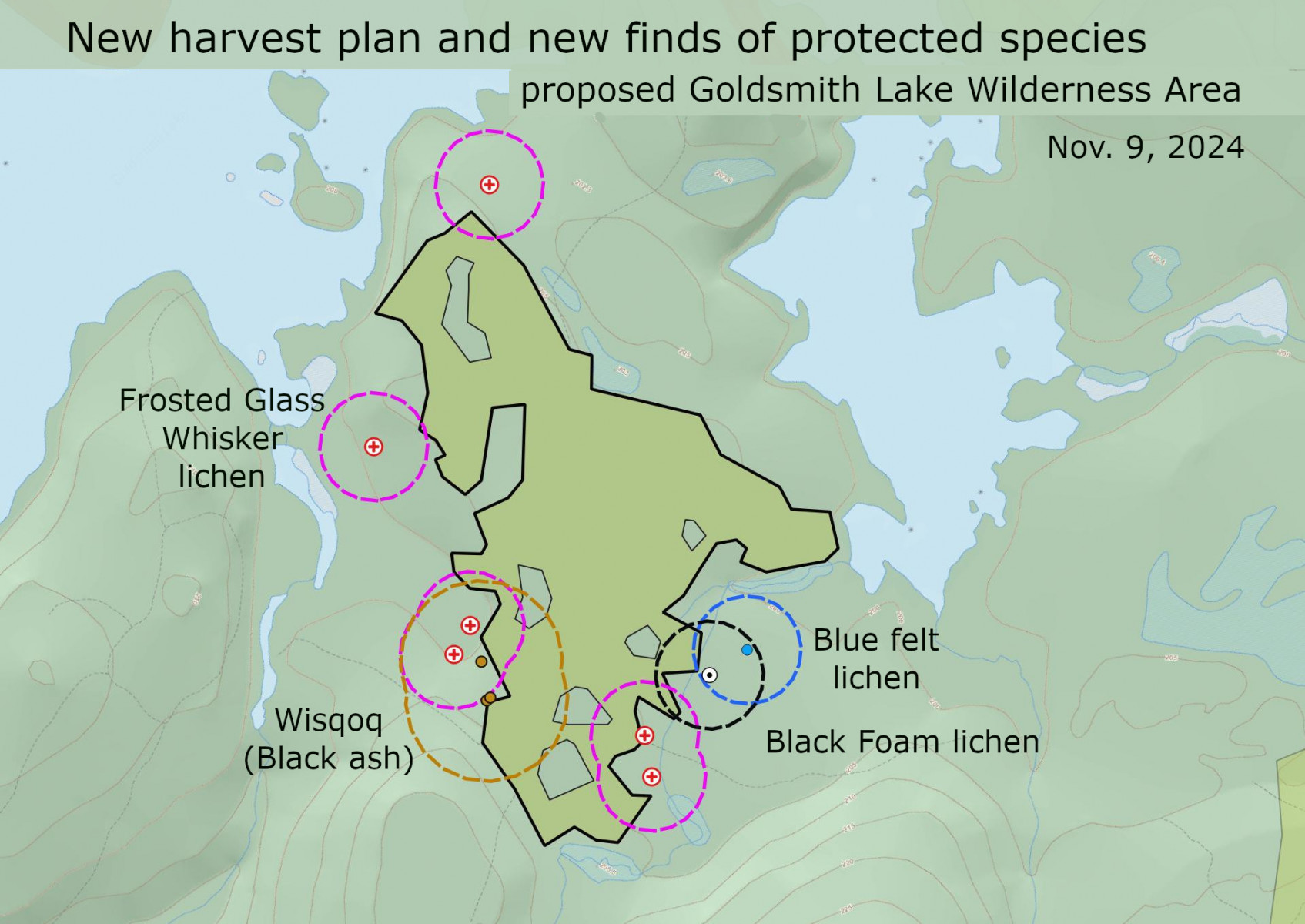
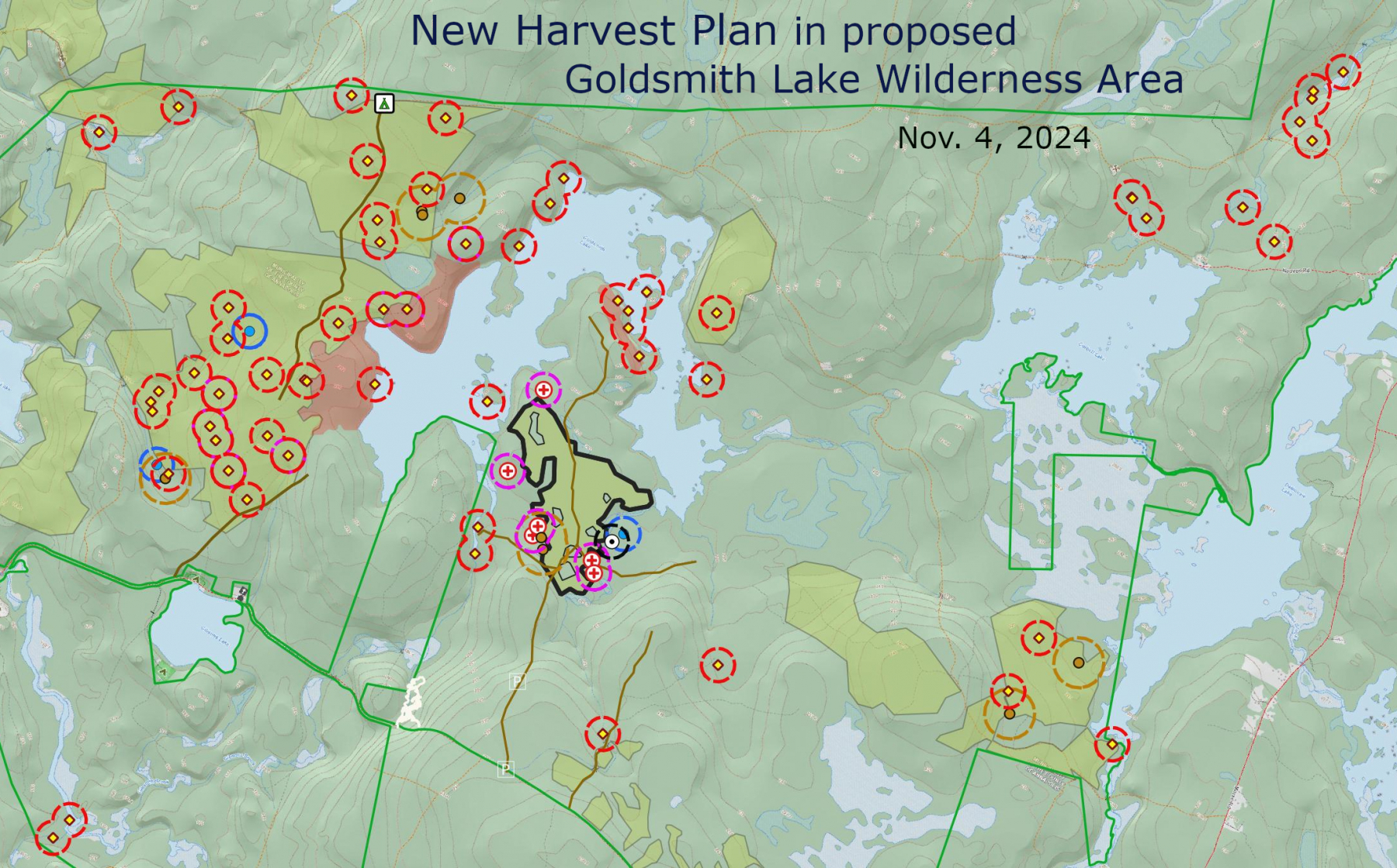
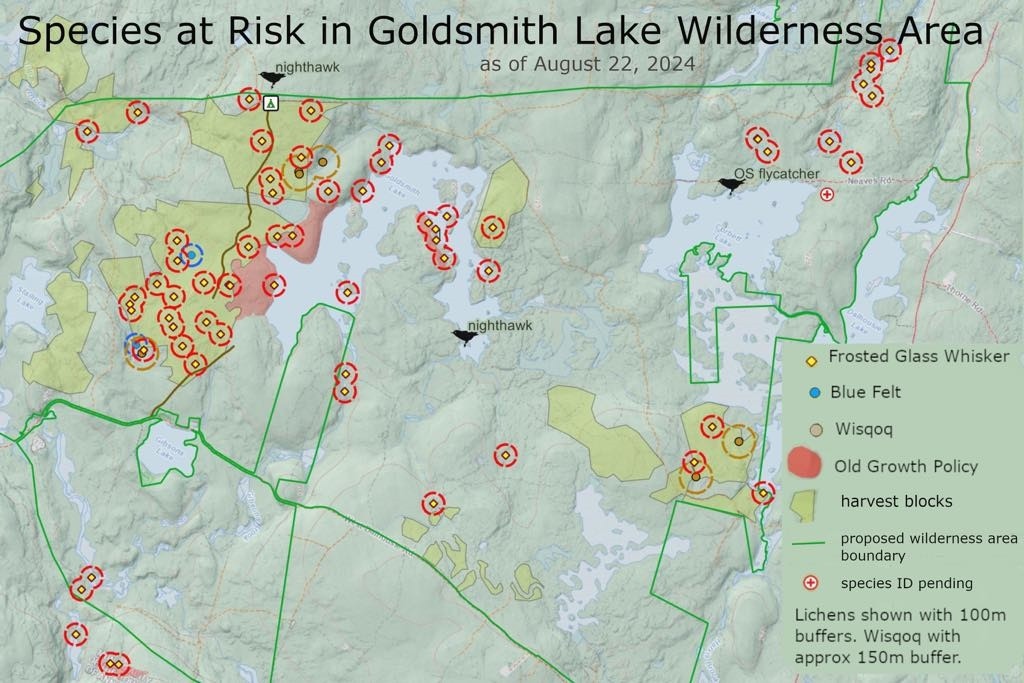
The proposal was updated in May 2024 to incorporate observations that had been documented over the course of 18 months.
The updated proposal included a request that the Goldsmith Lake Wilderness Area be placed under consideration for protection as part of the 1.35% of Nova Scotia that needed to be protected by 2026 to meet the 15% interim target.
Species at risk (SAR) at Goldsmith
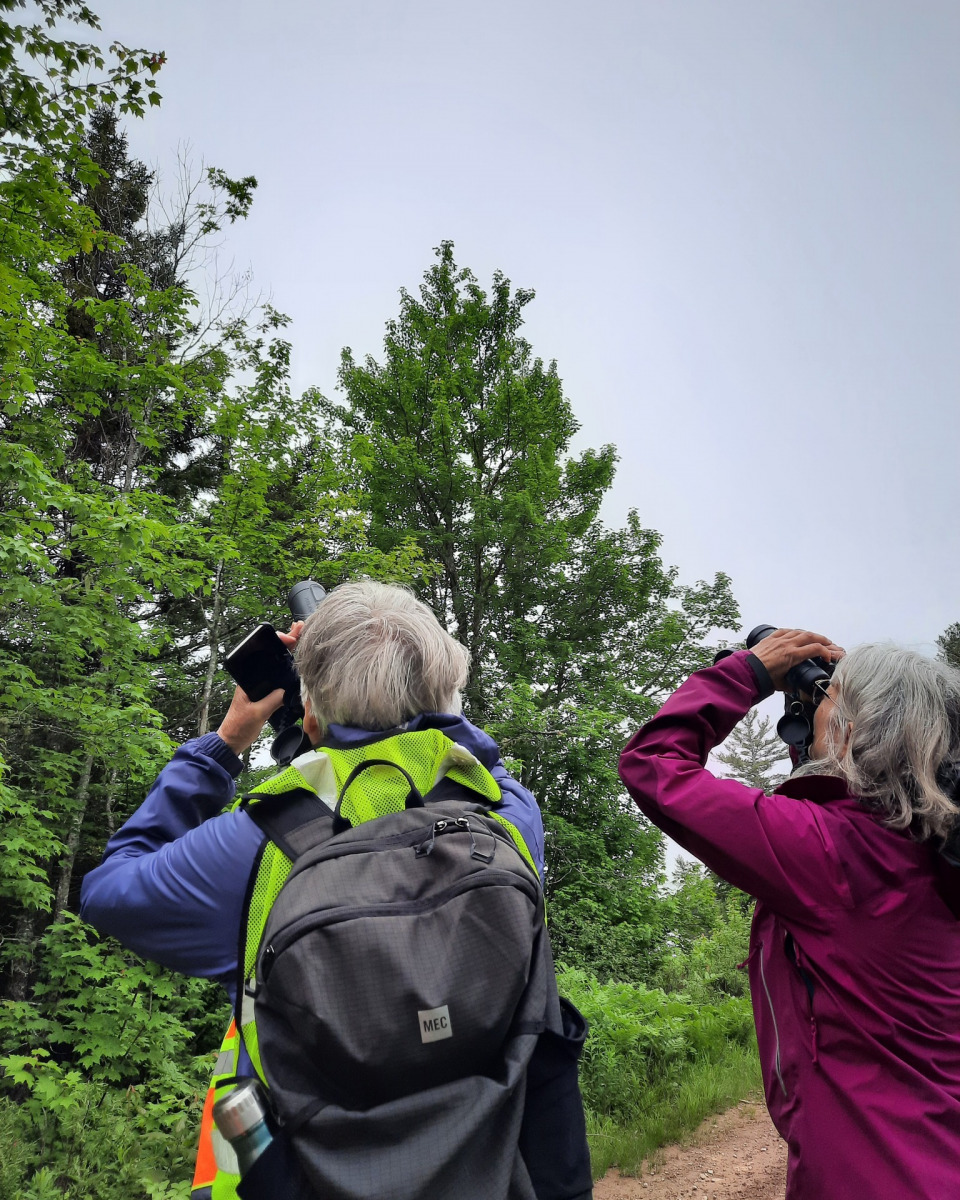
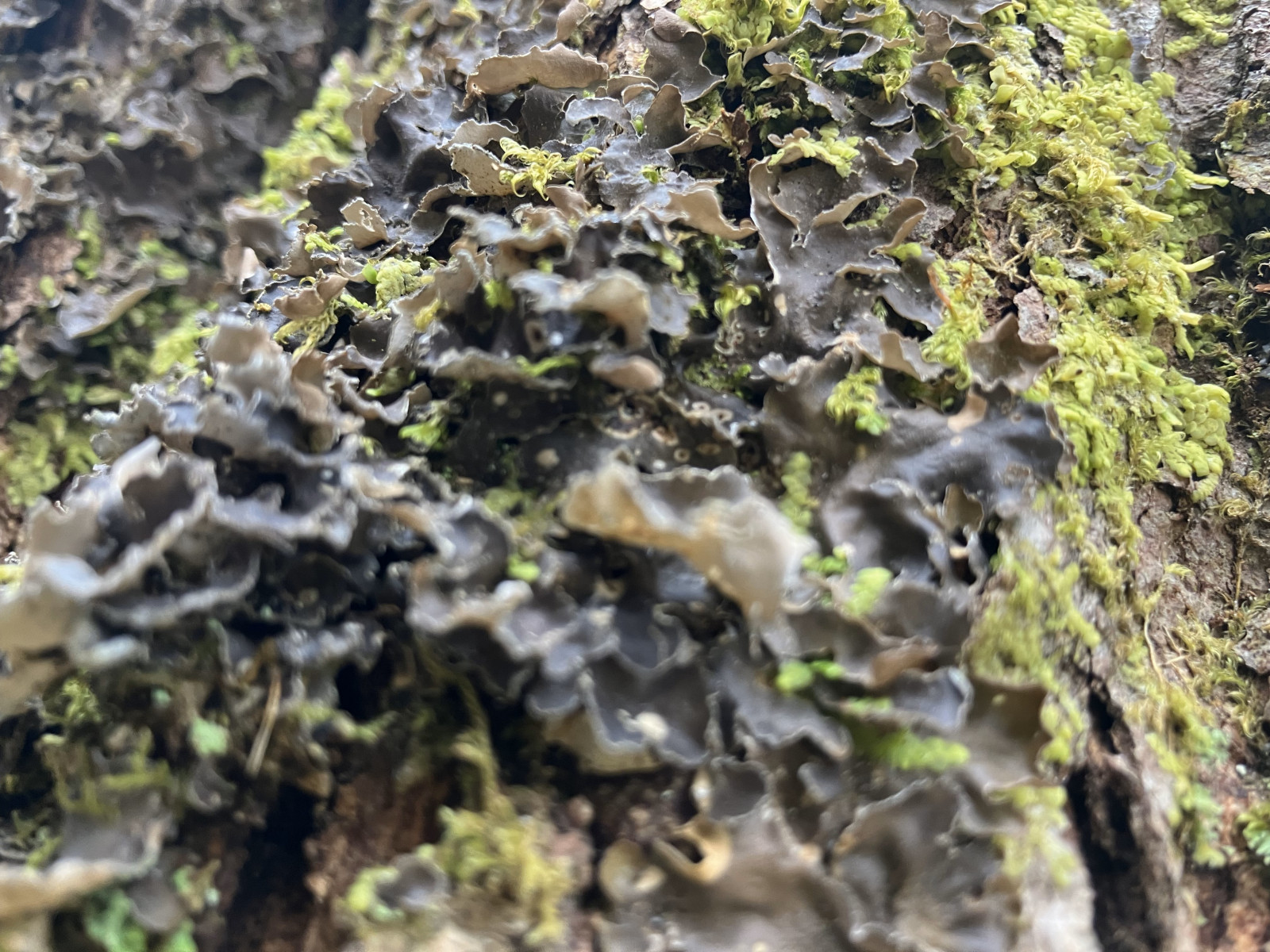
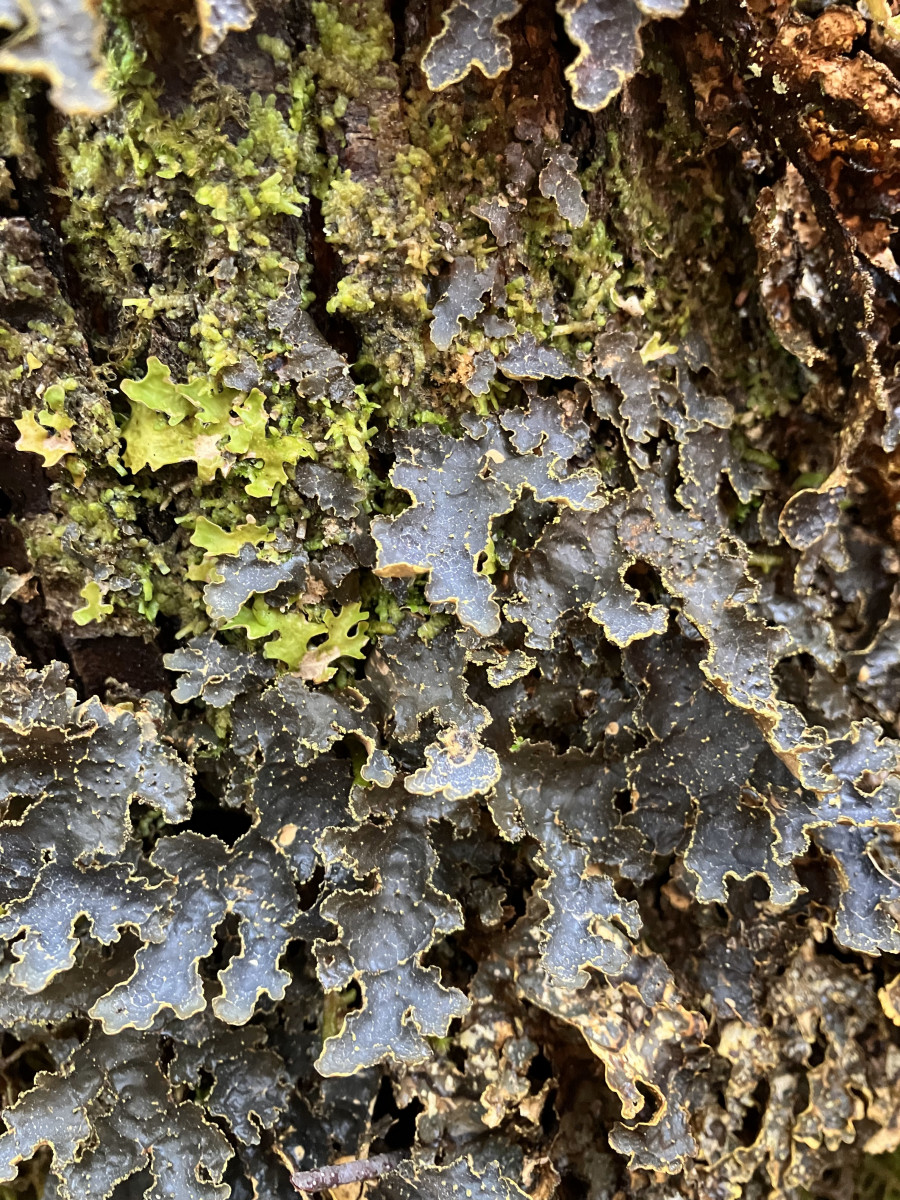
Citizen Scientists have identified, confirmed and reported sightings of the following SAR in the forests around Goldsmith Lake. Check the Intro to Lichens page to learn more about the role these fascinating organisms play in the ecosystem of forests and what they can tell us about the environment.
- Blue felt lichen (Pectenia plumbea)
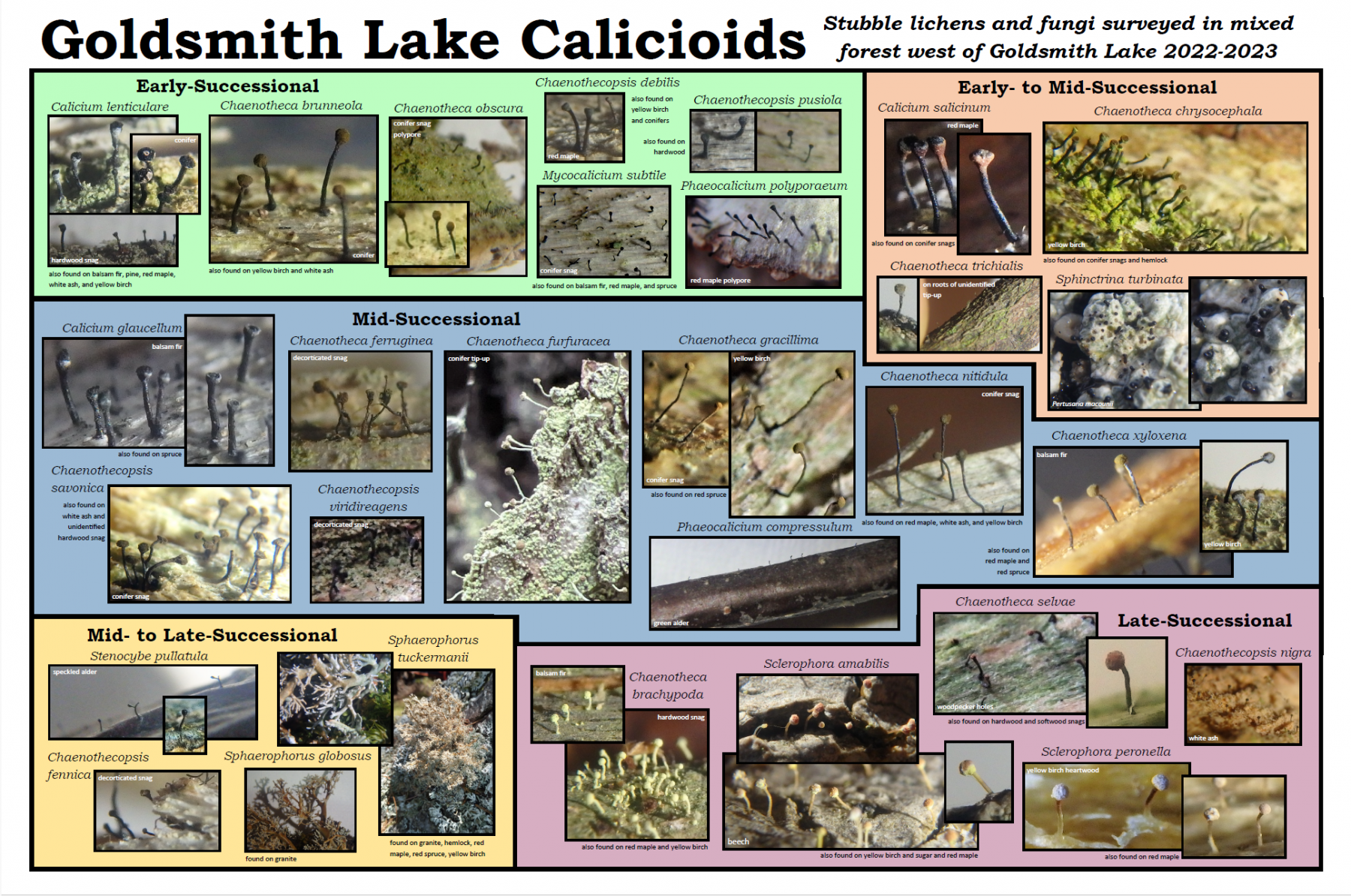
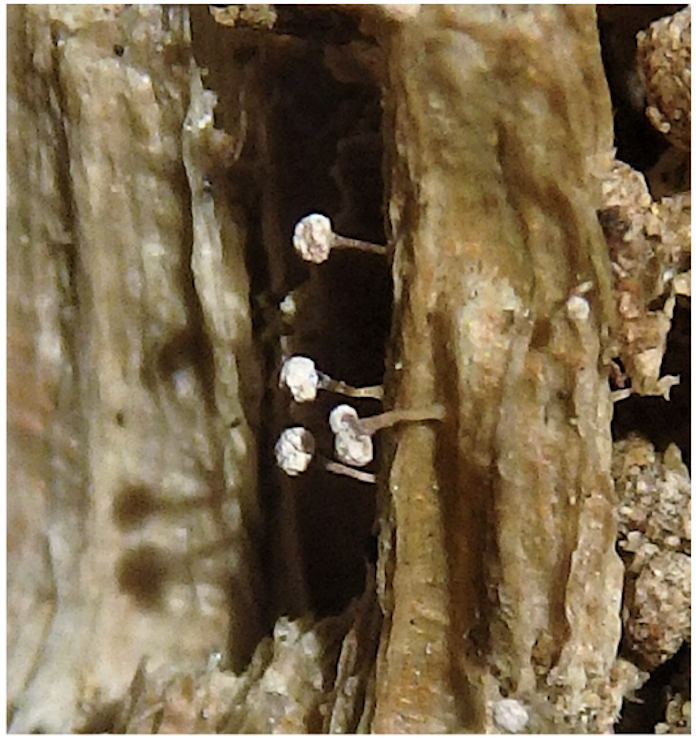
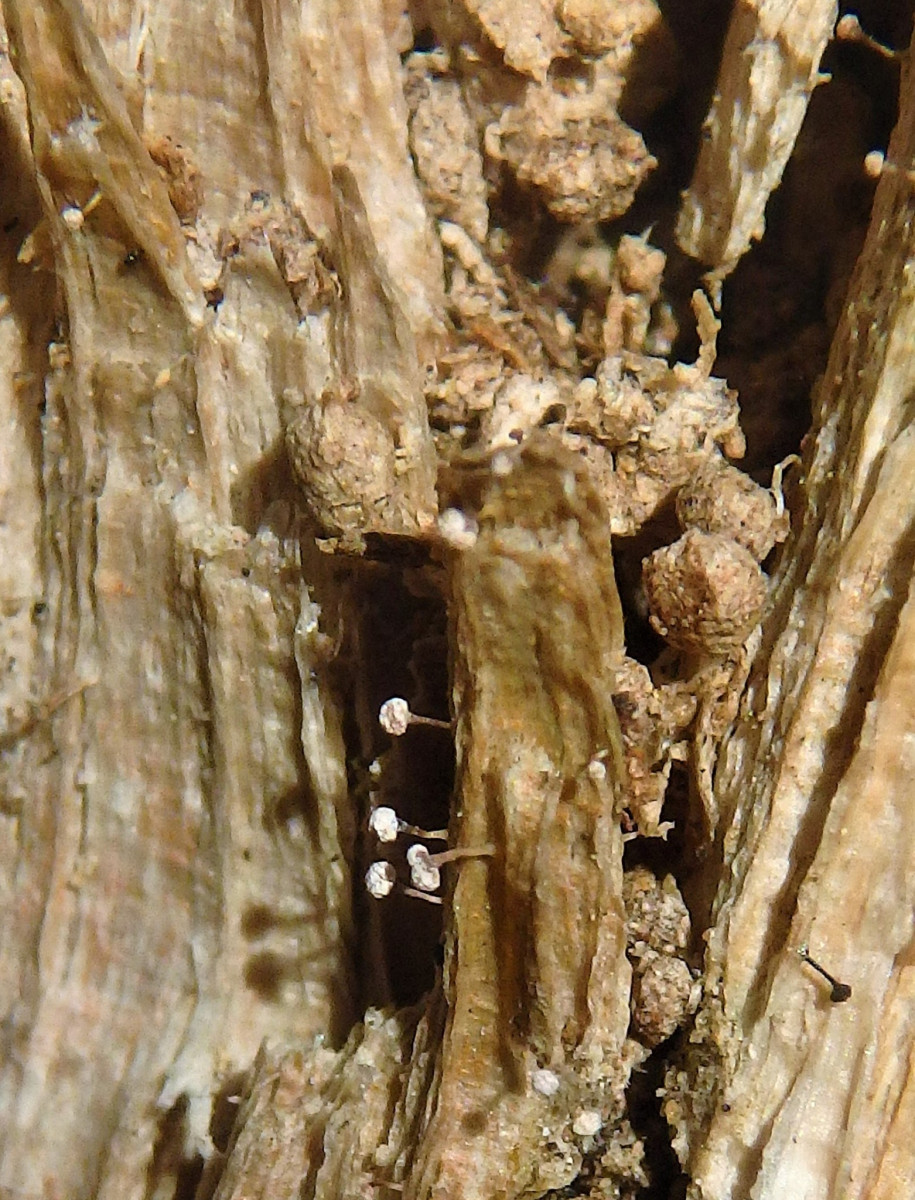
- Frosted glass-whisker lichen (Sclerophora peronella)
- Black foam lichen (Anzia colpodes)
- Wisqoq or Black ash (Fraxinus nigra)
- Common nighthawk (Chordeiles minor)
- Chimney swifts (Chaetura pelagica)
- Olive-sided flycatcher (Contopus cooperi)
- Rusty blackbird (Euphagus carolinus nigrans)
- Canada warbler (Cardellina canadensis)
- Eastern wood peewee (Conotopus virens)
- Little brown bat (Myotis lucifugus)
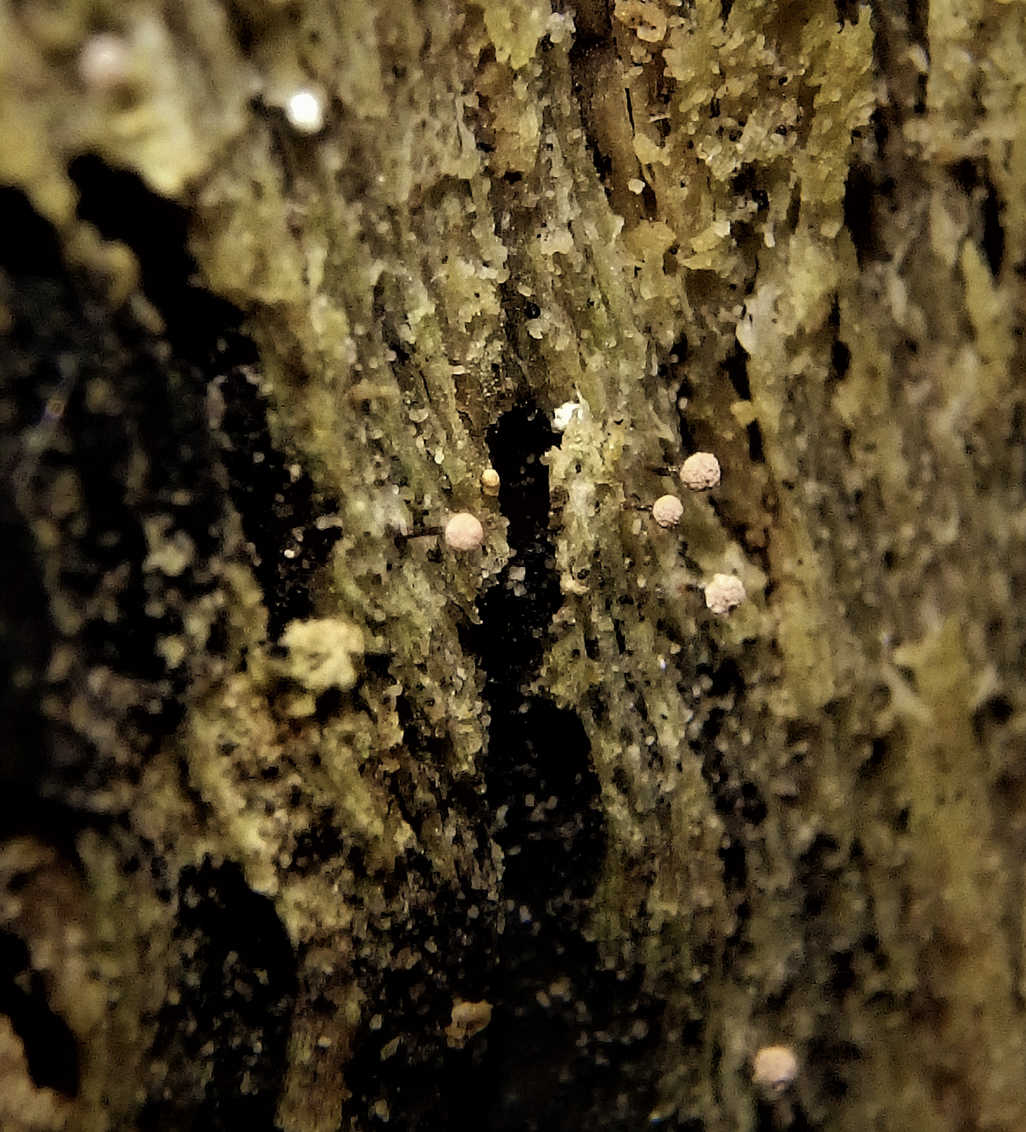
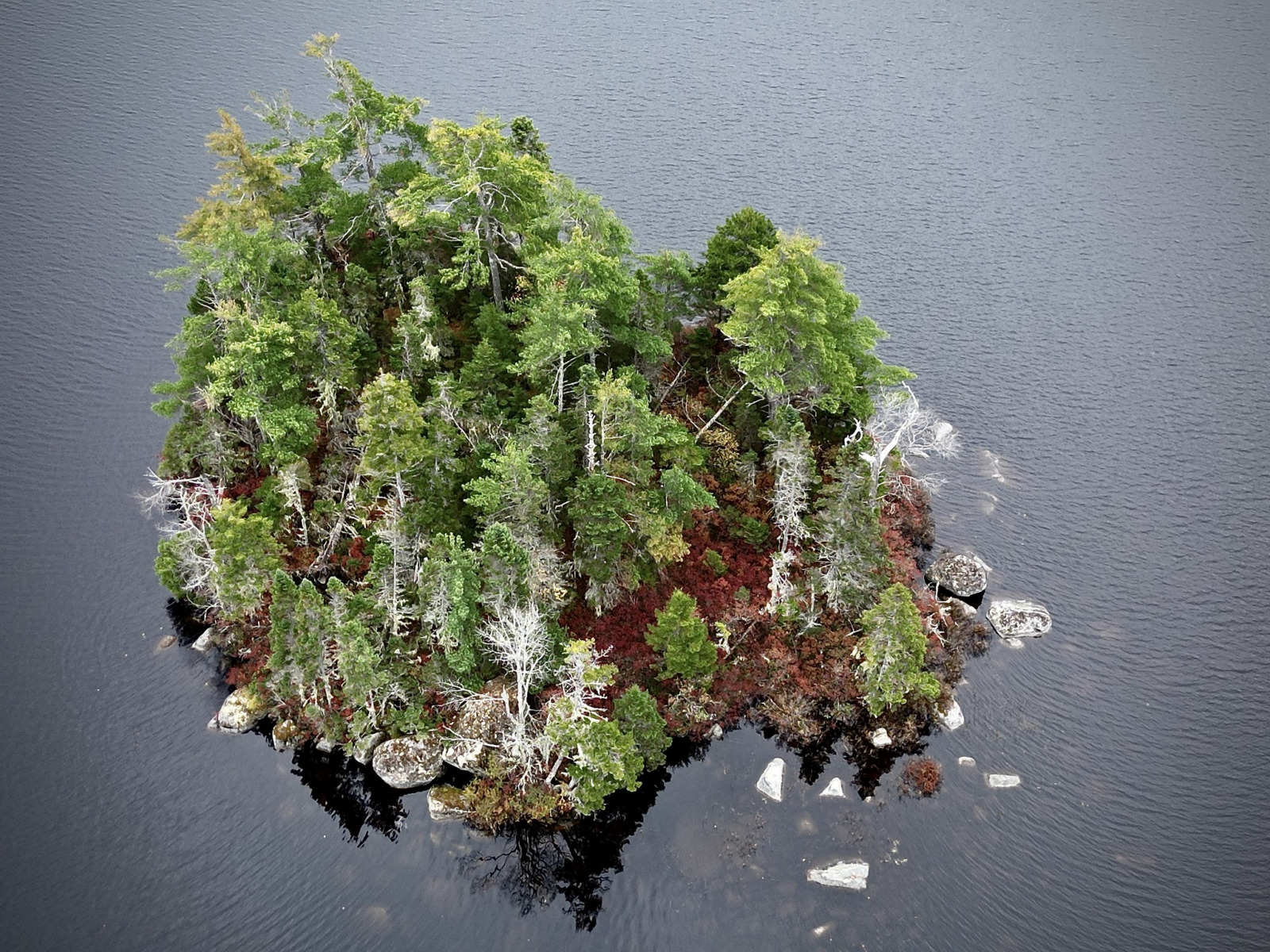
Photo Credit: Ashlea Viola
In addition to the SAR that have been documented and confirmed, Pine or American Marten (Martes americana) have been observed and reported at multiple locations in the proposed Goldsmith Lake Wilderness Area. The American Marten is listed as a Species at Risk in Cape Breton and is in the process of being listed as endangered in the whole province.
Join the Goldsmith Lake Wilderness Area project on iNaturalist!

Join Friends of Goldsmith Lake Wilderness Area on Facebook!